Character Creation
Character Sheet Overview
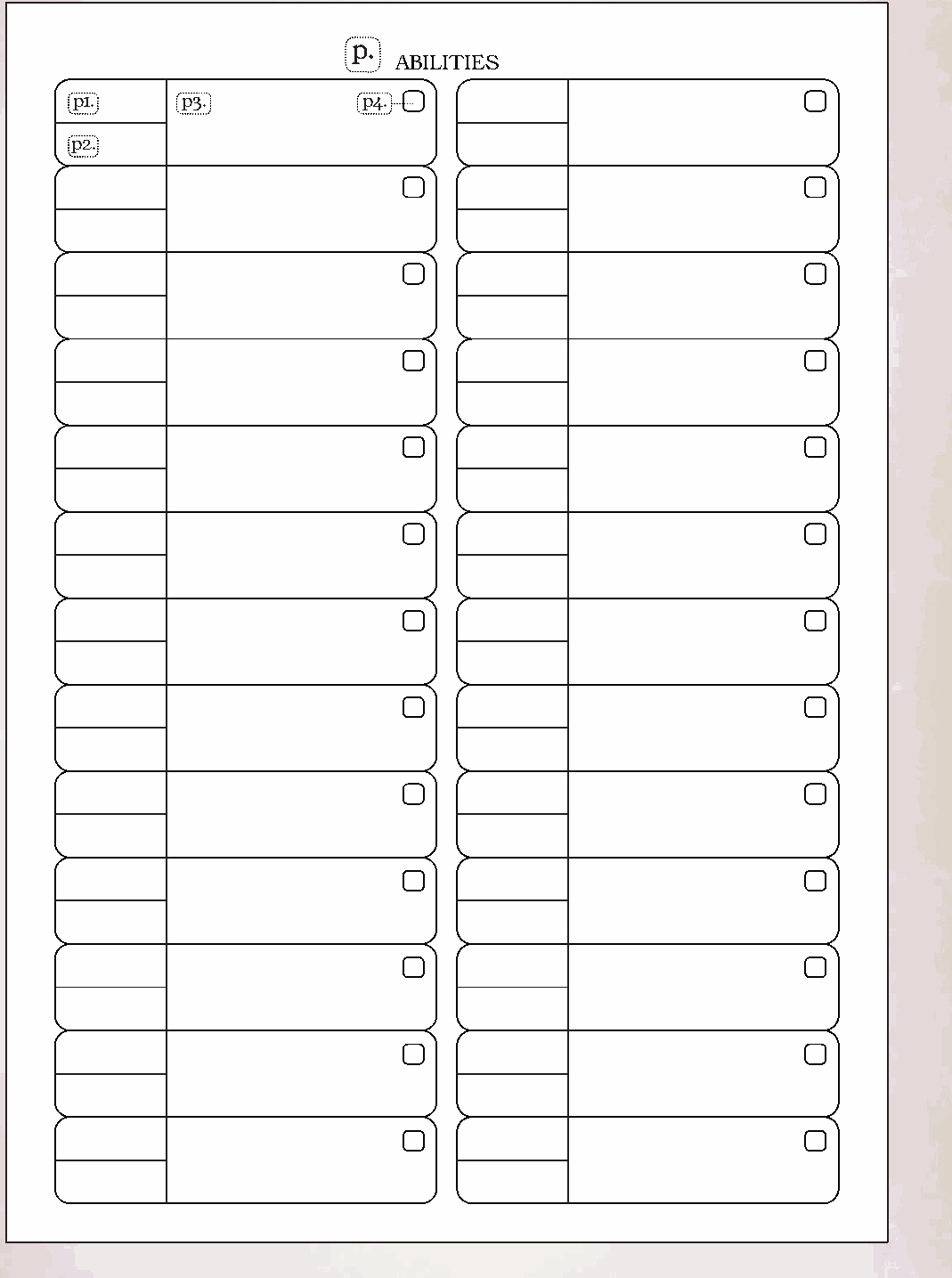
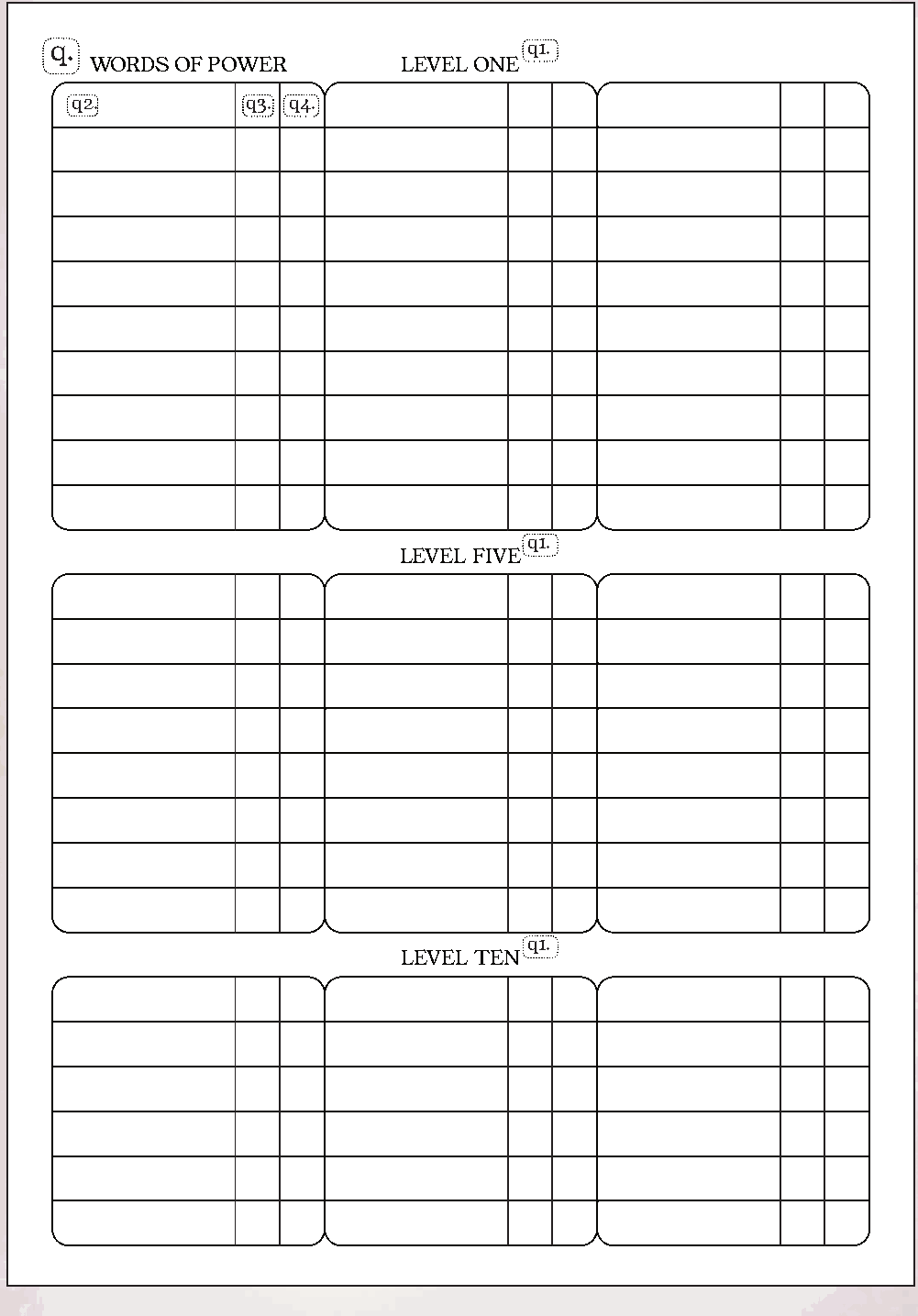
Use the annotated sheets below alongside the lettered guide. Select an image to open the full-size reference.
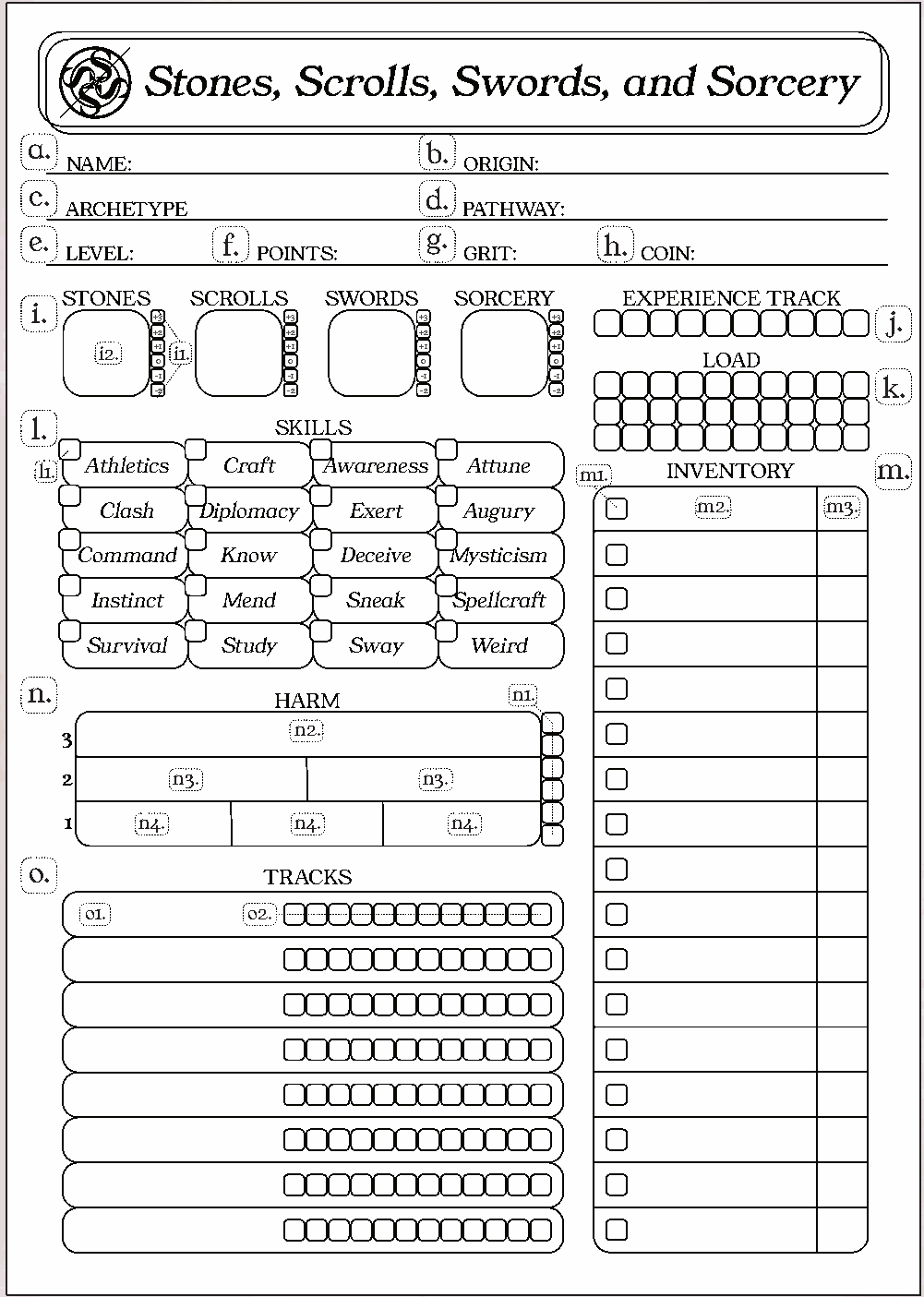
a. Name
Your character’s name. Simple as that.
b. Origin
Where your character comes from. This helps define their background, culture, and place in the world.
c. Archetype
Your character’s core role (e.g. Vanguard, Herald, Skirmisher, Mage). This shapes how they approach challenges.
d. Pathway
A more specific expression of your Archetype. Your Pathway defines your style and grants unique abilities.
e. Level
Your character’s current level. This tracks overall progression and growth.
f. Points
Used during character creation and play to increase attributes and unlock new abilities and words of power.
g. Grit
Grit points which are accumulated through failures and can be used to resist consequences.
h. Coin
The money a character has. 1 coin is roughly the amount of money one would spend on cheap food, and shelter for the Long Rest.
i. Attributes
Your core stats: Stones, Scrolls, Swords, and Sorcery. These influence Throws, determine series length, and modify outcomes.
i1.Attribute Track - Attributes start at -3 by default, every step filled in the track increases the attribute by 1 up to a maximum of 3. Without anything specifying otherwise the maximum an attribute can reach by just character leveling progression is +3.
i2.Modifier Number - The sum of the attribute track and anything else which is contributing to the total of the attribute. Your modifier is used in conjunction with its related skills.
j. Experience Track
Tracks your accumulated experience. When filled, you gain a level and 3 Points. Experience should come fairly frequently.
k. Load Track
Represents how much your character is carrying. Heavier loads may limit what you can do. The default amoun of Load a character can carry is 10. Maximum Load can be increased up to a maximum of 50.
l. Skills
Your areas of expertise. Skills determine how you approach actions and what Attribute you use when making Throws.
l1. Tick to indicate focus in a skill
m. Inventory
A list of the items your character is carrying. Item loads are express in (brackets).
m1. Tick to indicate item is equipped and taking load.
m2. Item Name.
m3. Item Load value.
n. Harm
Tracks injuries and their severity. As Harm increases, your character becomes more vulnerable.
n1. Recovery Track - 6 step track used to mark recovery.
n2. Level 3 Harm - Write the type of harm here.
n3. Level 2 Harm - Write the type of harm here.
n4. Level 1 Harm - Write the type of harm here.
o. Tracks
Used to track status effects or character goals.
o1. Track Name - Name of what you are tracking
o2. Track Length - Tracks can vary in length, from as small as 2 to as long as 12. Make sure to fill in any track length that are not being used.
p. Abilities
Special features granted by your Archetype and Pathway. Abilities give you unique ways to influence the game.
p1. Ability Name - The name of the Ability.
p2. Ability Source - What is giving you access to the ability (Achetype / Pathway / Weapon / etc).
p3. Ability Description - What the Ability does.
p4. Ability Expenditure - Tick to denote the ability has been used. Many Abilities can only be used once per Long Rest or Scene.
q. Words of Power
Your collection of magical words. These are used to create and cast spells through Sorcery.
q1. Word of Power Level - Words of Power exist at 3 different levels, 1 / 5 /10. Mark down your Words of Power in the appropriate section to help keep track of Sorcery levels.
q2. Word of Power - The word that is available to you
q3. Current Expenditure Available - How many uses of a Word you have left until your next Long Rest.
q4. Total Expenditure Available - How many total uses of a Word you have per Long Rest.